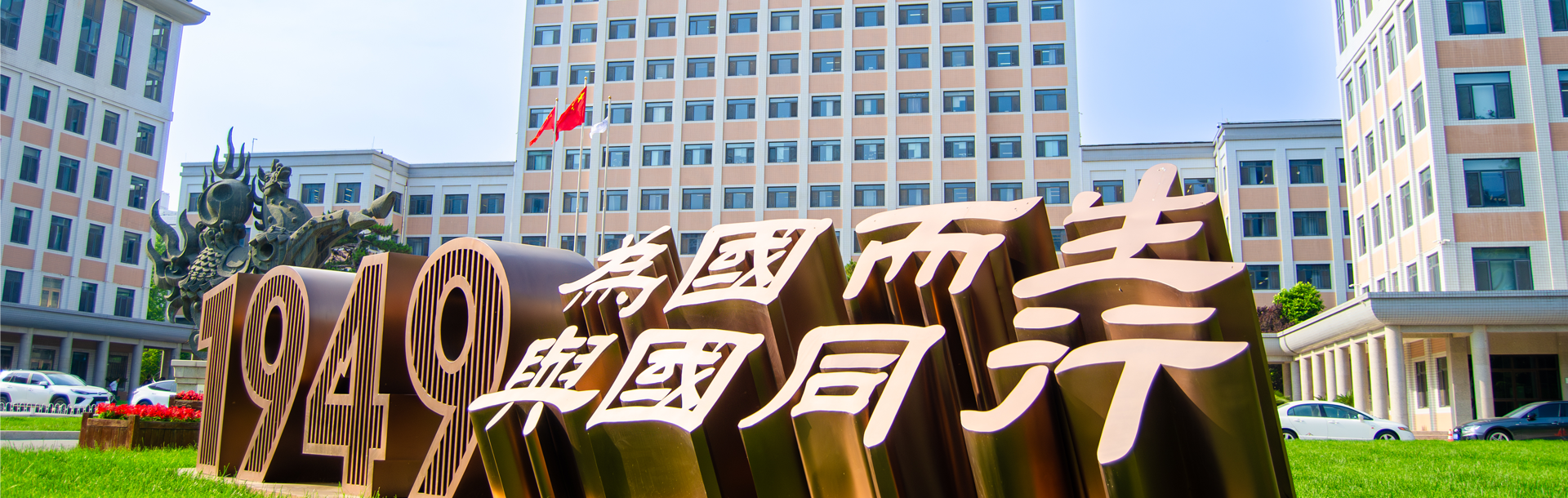
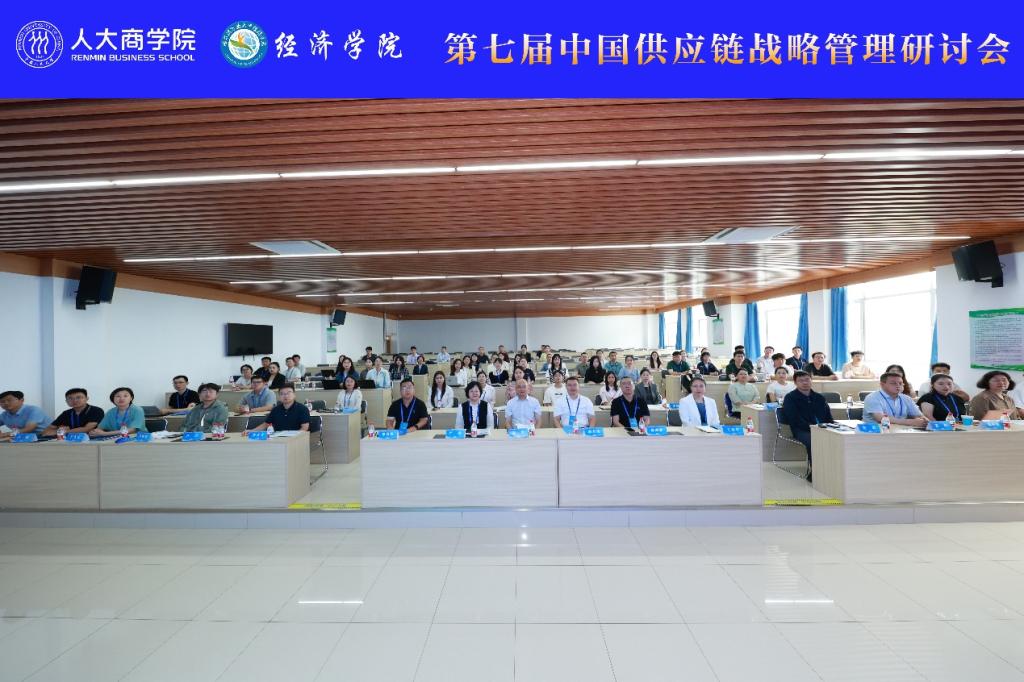
On the morning of August 9, the 7th China Supply Chain Strategic Management Symposium was grandly opened at Harbin University of Commerce. The symposium was hosted by the School of Business of Renmin University of China, undertaken by the School of Economics of Harbin University of Commerce, and co-organized by the School of Business Administration of Fujian Business University, Heilongjiang Provincial Business and Economic Research Center, CUFE Business School, China Supply Chain Strategic Management Research Center of Renmin University of China, and Heilongjiang Academic Exchange Base for Digital Economy and New-Quality Productive Forces Research. Nearly 70 scholars from 24 universities and research institutions participated in the symposium.
This symposium consisted of six sessions: opening ceremony, keynote reports, parallel forums, paper awards, experience exchange on teaching and scientific research for young teachers, and visit to the Digital Economy and Business Intelligence Laboratory.
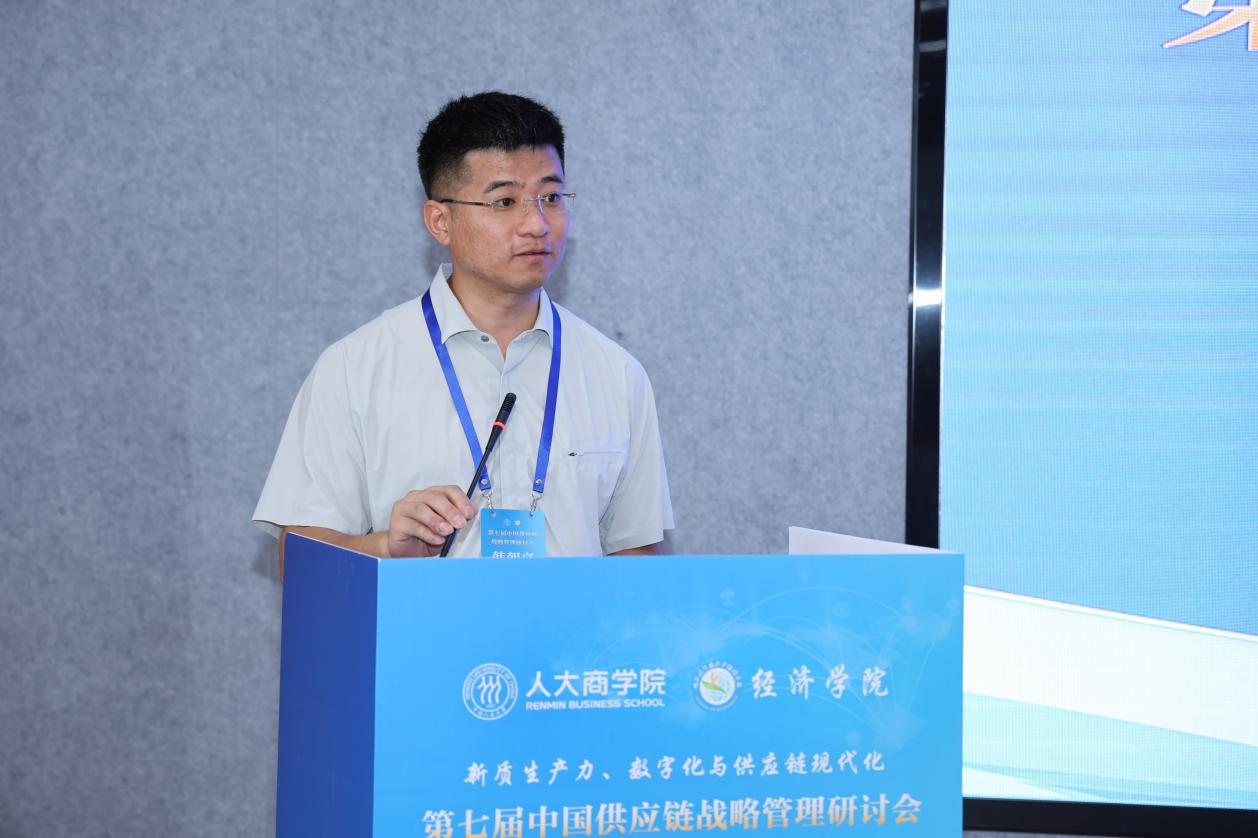
Session 1: Opening Ceremony (Hosted by Professor Han Chaoliang, Vice Dean of the School of Economics)
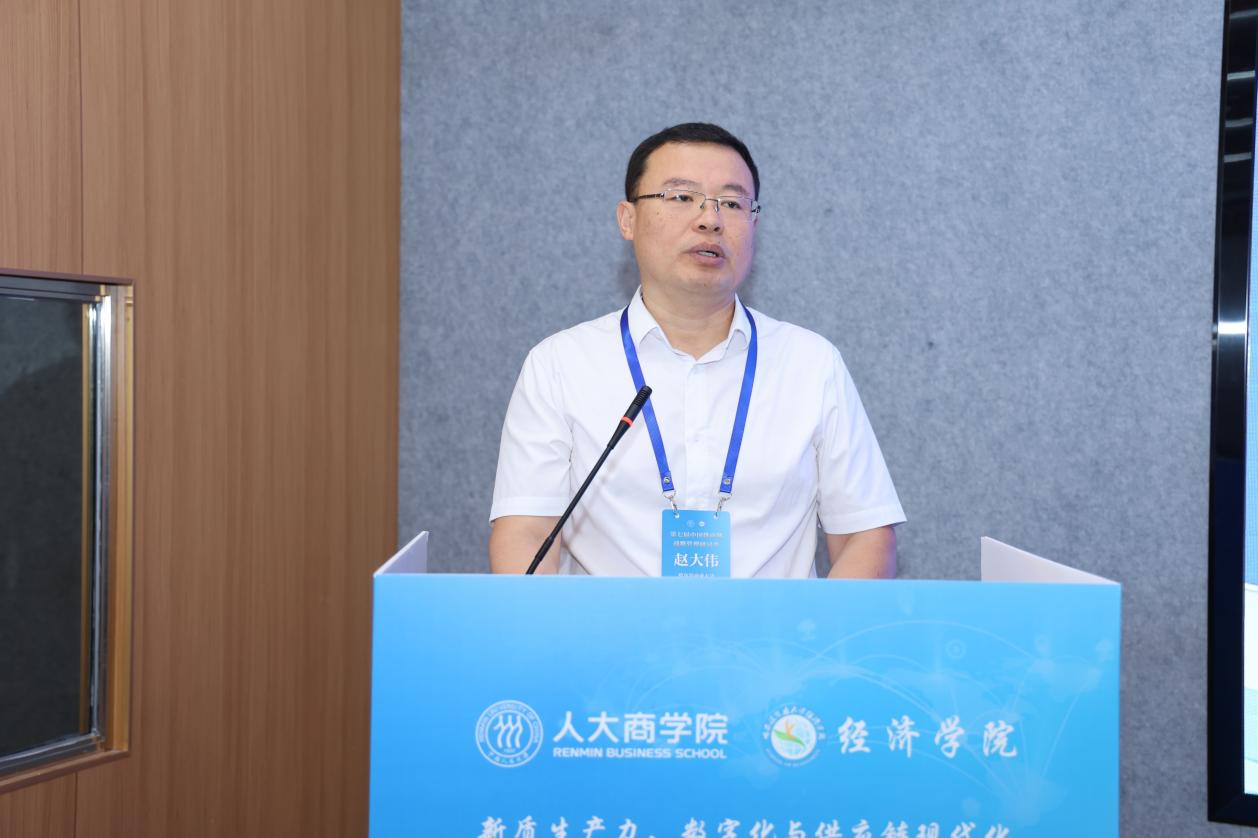
Speech by Professor Zhao Dawei, Member of the Standing Committee of the Party Committee and Vice President of Harbin University of Commerce
On behalf of Harbin University of Commerce, Professor Zhao Dawei extended congratulations on the opening of the symposium and a warm welcome to the experts, scholars, and guests. He also introduced the university’s historical evolution, school-running characteristics, and its research features and landmark achievements in the field of supply chain management.
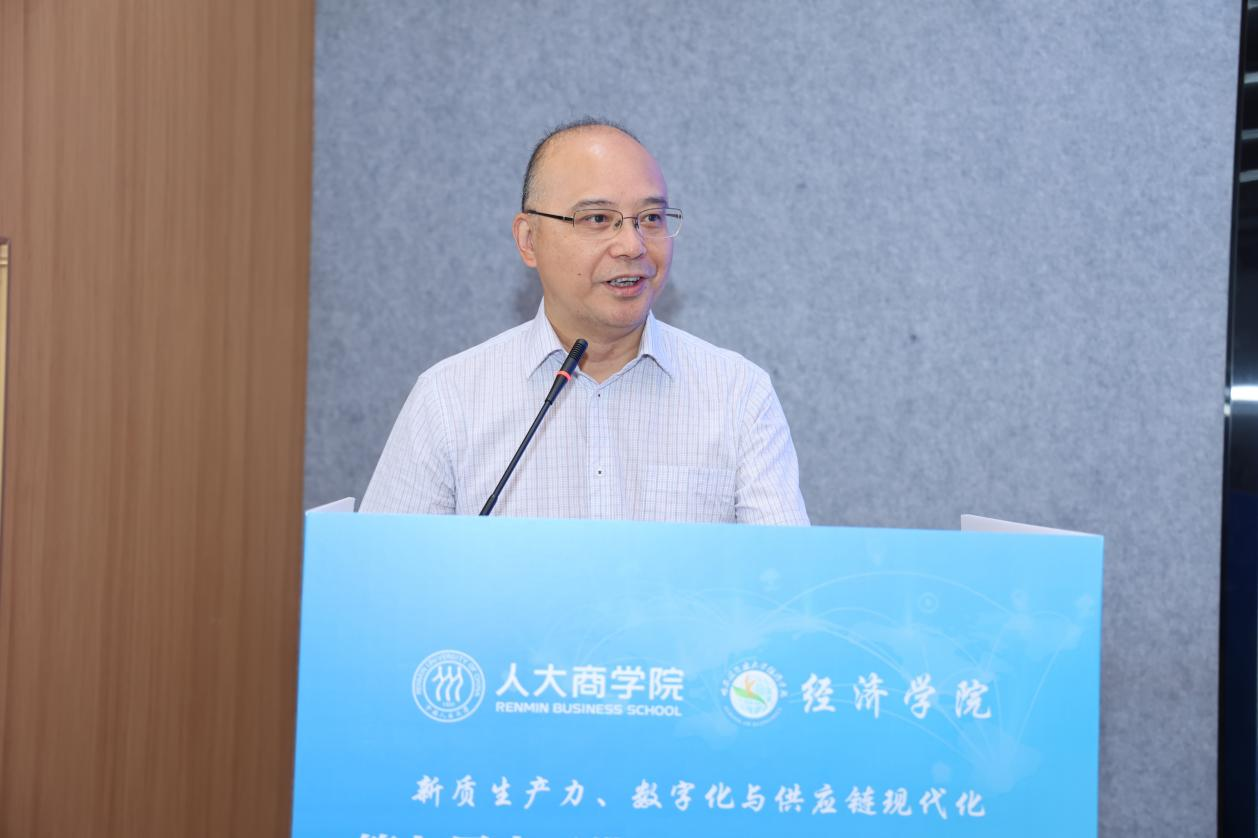
Speech by Professor Song Hua, School of Business, Renmin University of China
Professor Song Hua stated in his speech that this symposium undertakes three major missions: first, to be rooted in Chinese practice, focus on unsolved problems in digital-intelligent transformation, and continuously provide insights that can guide implementation in different scenarios; second, to build a high-quality platform for young scholars, helping them conduct deeper and more solid research through platforms such as methodology workshops, data laboratories, and case co-creation camps; third, to incorporate supply chain teaching innovation into the core agenda and jointly shape the future of supply chain education.
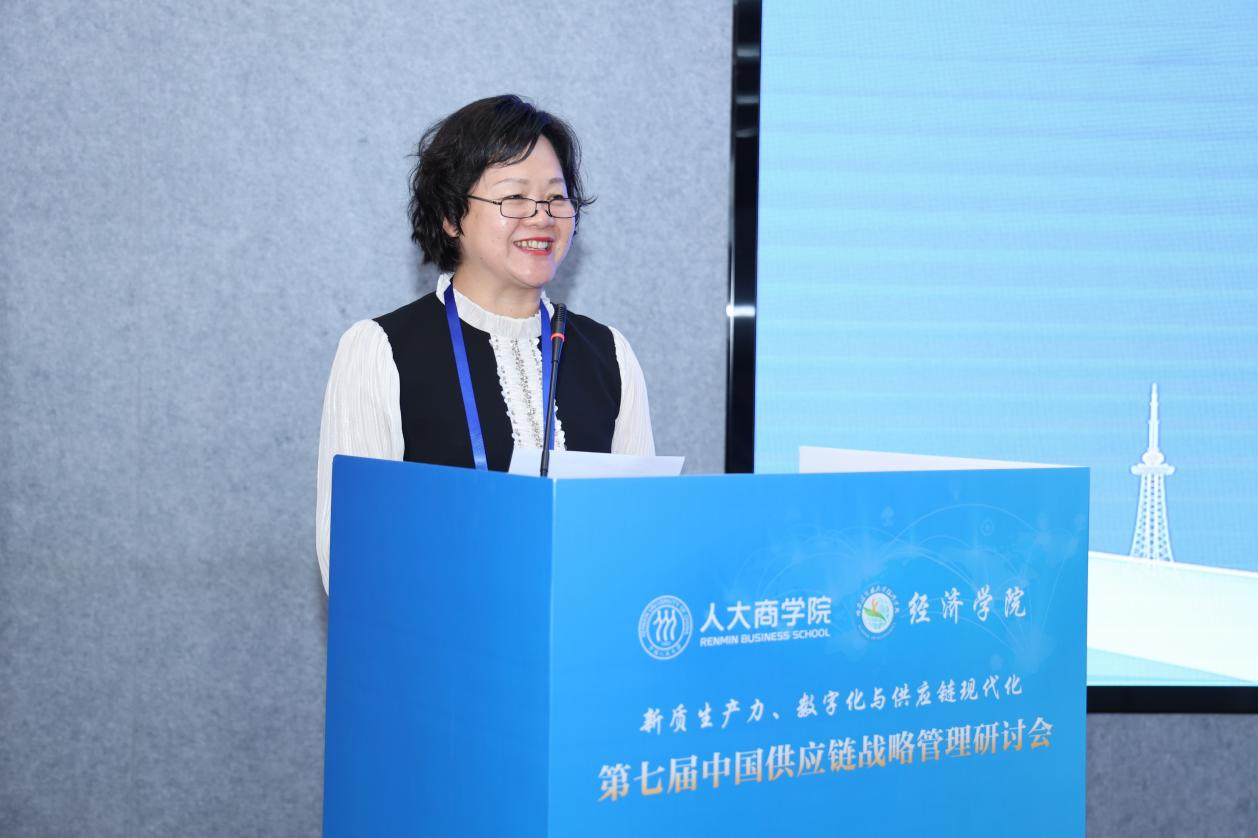
Speech by Professor Yan Jin, Dean of the School of Business Administration, Fujian Business University
Professor Yan Jin introduced the school-running characteristics of Fujian Business University and its landmark achievements in cultivating talents in the supply chain management major. He pointed out that Fujian Business University actively promotes the construction of an intelligent supply chain industrial college through a full-real scenario practical training platform, a cross-strait integration and innovation platform, and a rural revitalization service platform.
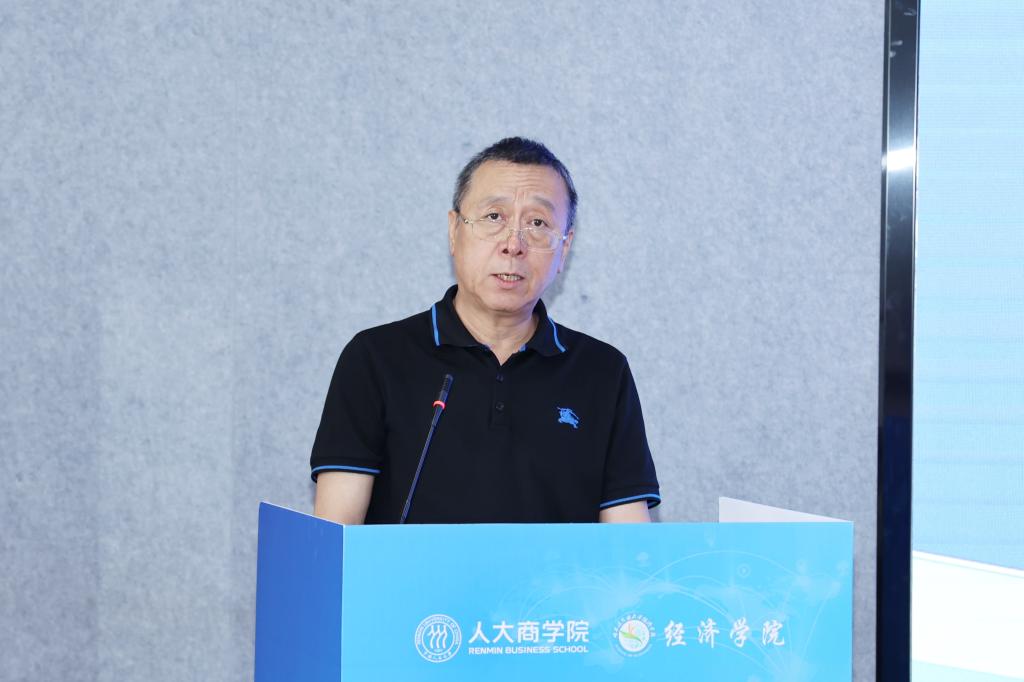
Speech by Researcher Chen Hongpeng, Director of Heilongjiang Provincial Business and Economic Research Center
Researcher Chen Hongpeng noted that in recent years, Heilongjiang has relied on digital-intelligent trade to enable "Heilongjiang Premium Products" to reach consumers across the country efficiently through overseas warehouses, digital-intelligent customs clearance, Sino-Russian cross-border e-commerce transaction systems, and live-streaming e-commerce supply chain bases. This fully demonstrates the strong momentum of digital-intelligent supply chains in integrating capital and fostering new business formats.
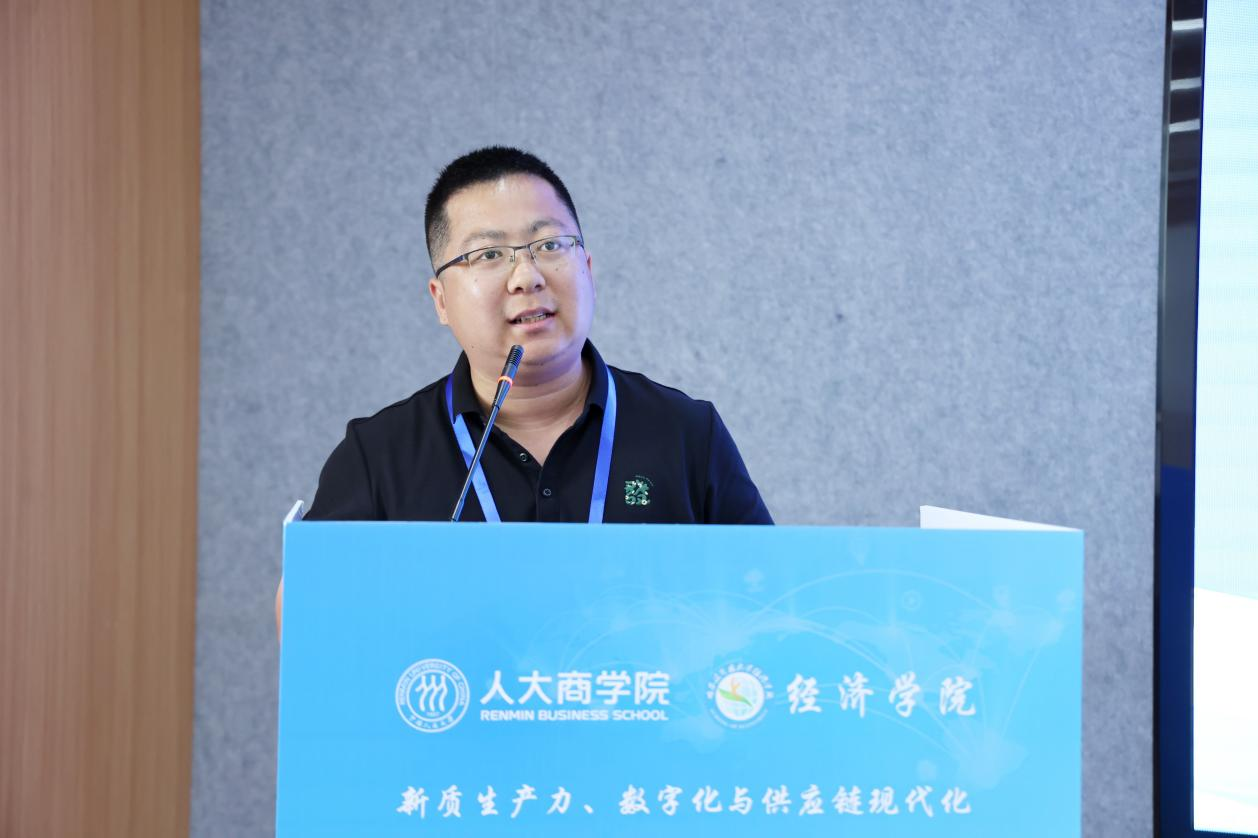
Speech by Associate Professor Mou Shandong, Director of the Department of Supply Chain and Operations Management, CUFE Business School
Associate Professor Mou Shandong pointed out that the development of advanced technologies such as artificial intelligence, digital twins, and blockchain traceability has continuously expanded the boundaries of supply chains. The modernization of supply chains is inseparable from university-enterprise collaboration. Facing the dual challenges of technological complexity and resource scarcity, it is even more necessary for multiple entities to jointly build, govern, and share resources.
Session 2: Keynote Reports (Hosted by Researcher Zhang Tongtong, Deputy Director of Heilongjiang Provincial Business and Economic Research Center)

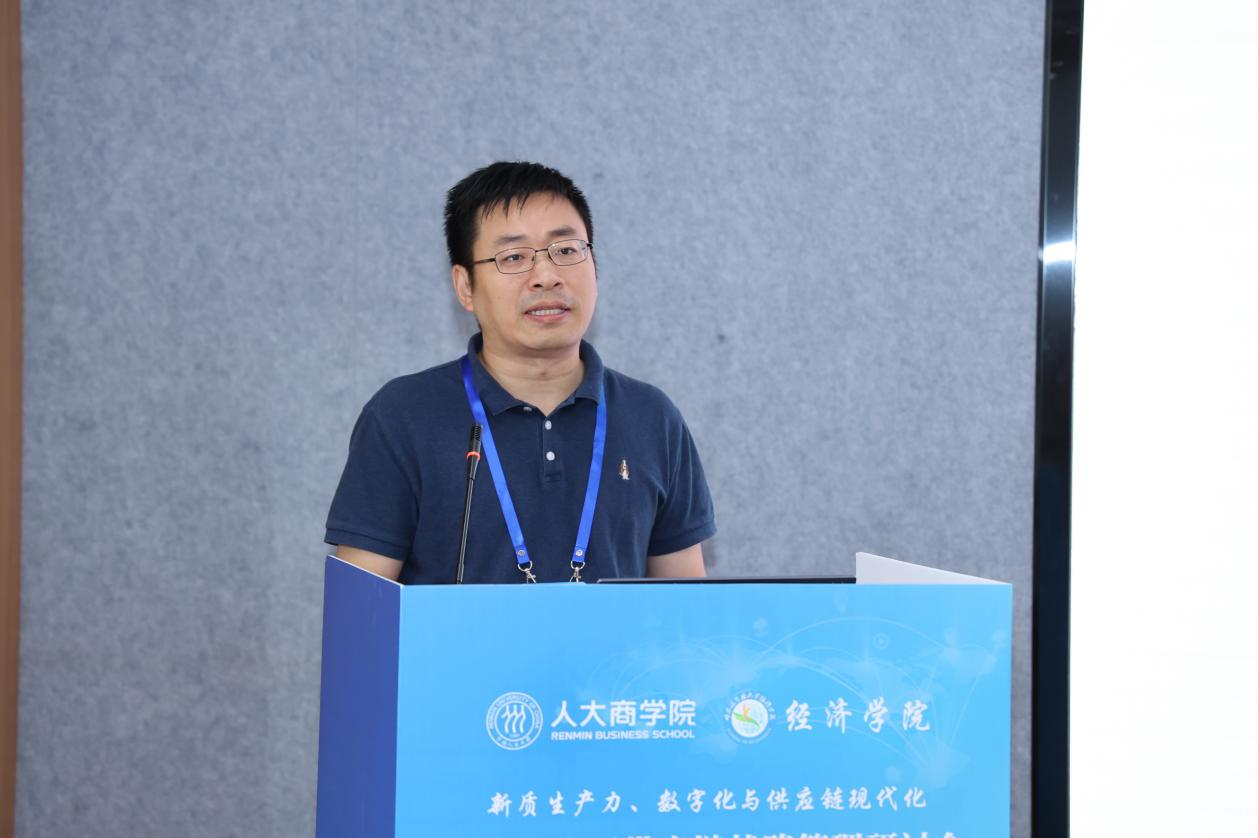
Professor Jiao Hao (School of Economics and Business Administration, Beijing Normal University), recipient of the National Excellent Young Scientists Fund and chief expert of major projects of the National Social Science Fund, delivered a keynote report titled Management Transformation Driven by AI Agents in the Digital Economy Era and Suggestions for Conducting China-Situated Research.
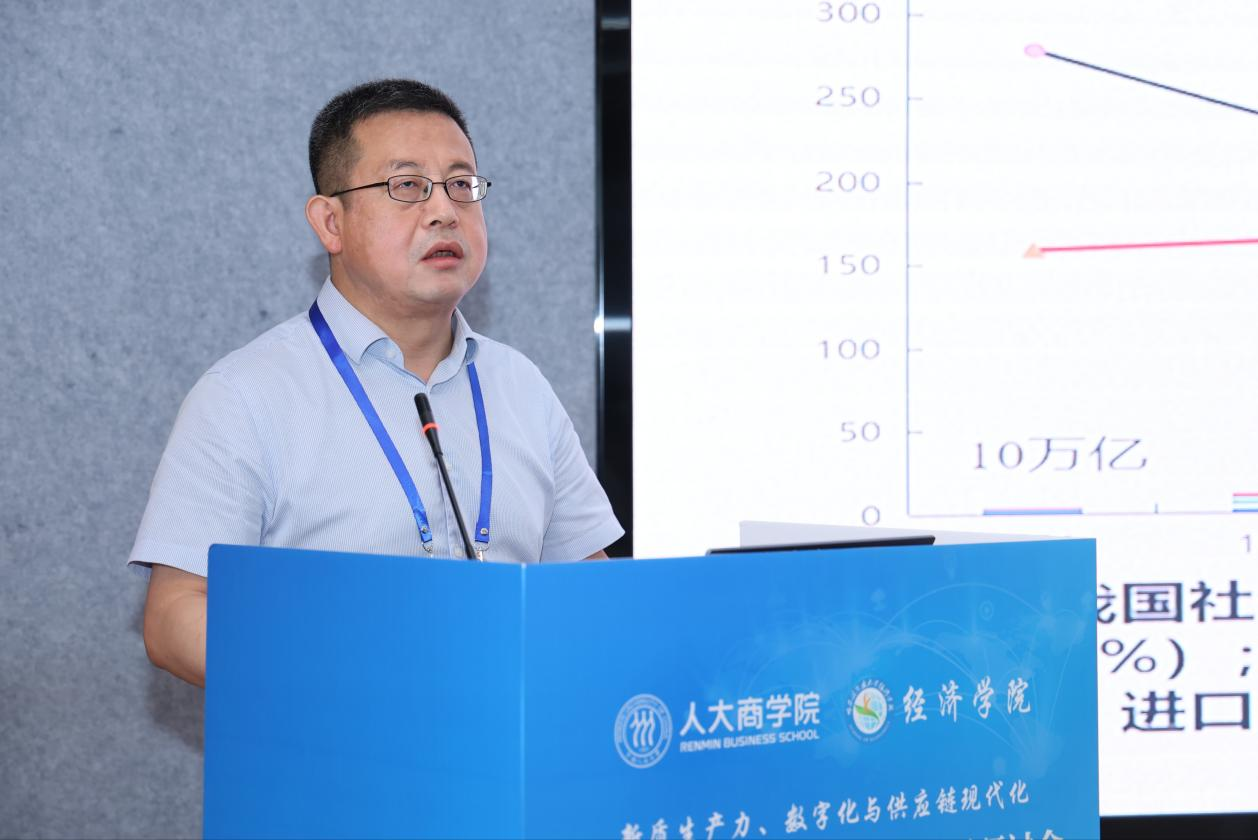
Professor Jiang Xu (Dean of the School of Logistics, Beijing Wuzi University), leader of the Procurement Management Major Construction Working Group of the Logistics Teaching Guidance Committee of Higher Education Institutions under the Ministry of Education, gave a keynote report titled Innovation in Logistics and Supply Chain Development.
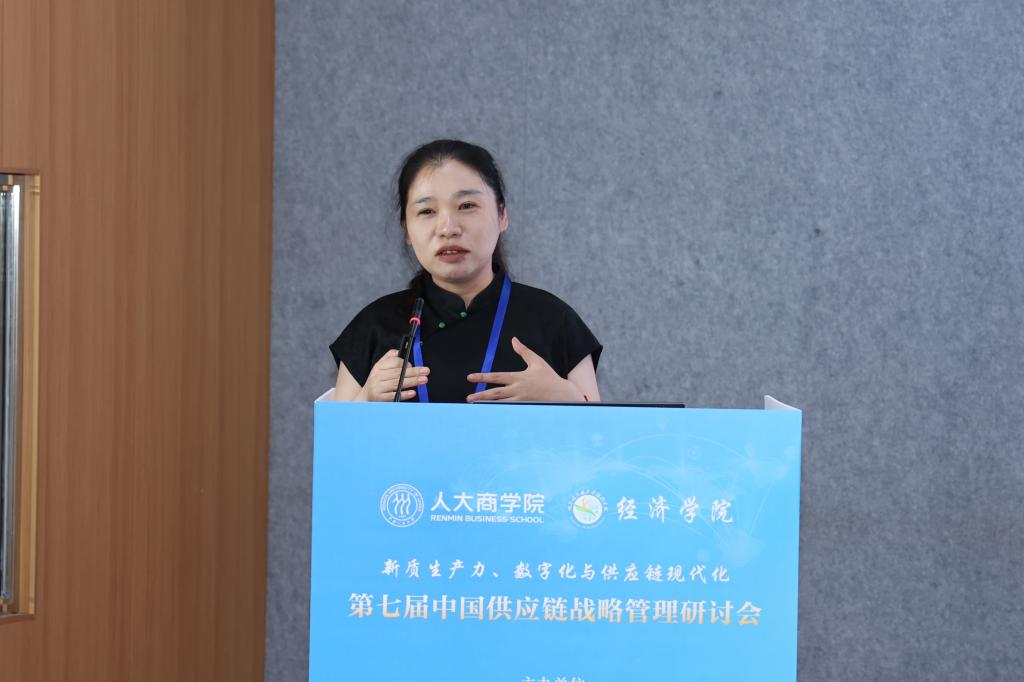
Professor Chen Lujie (International Business School, Xi’an Jiaotong-Liverpool University) delivered a keynote report titled Phenomenon-Driven Management Research.
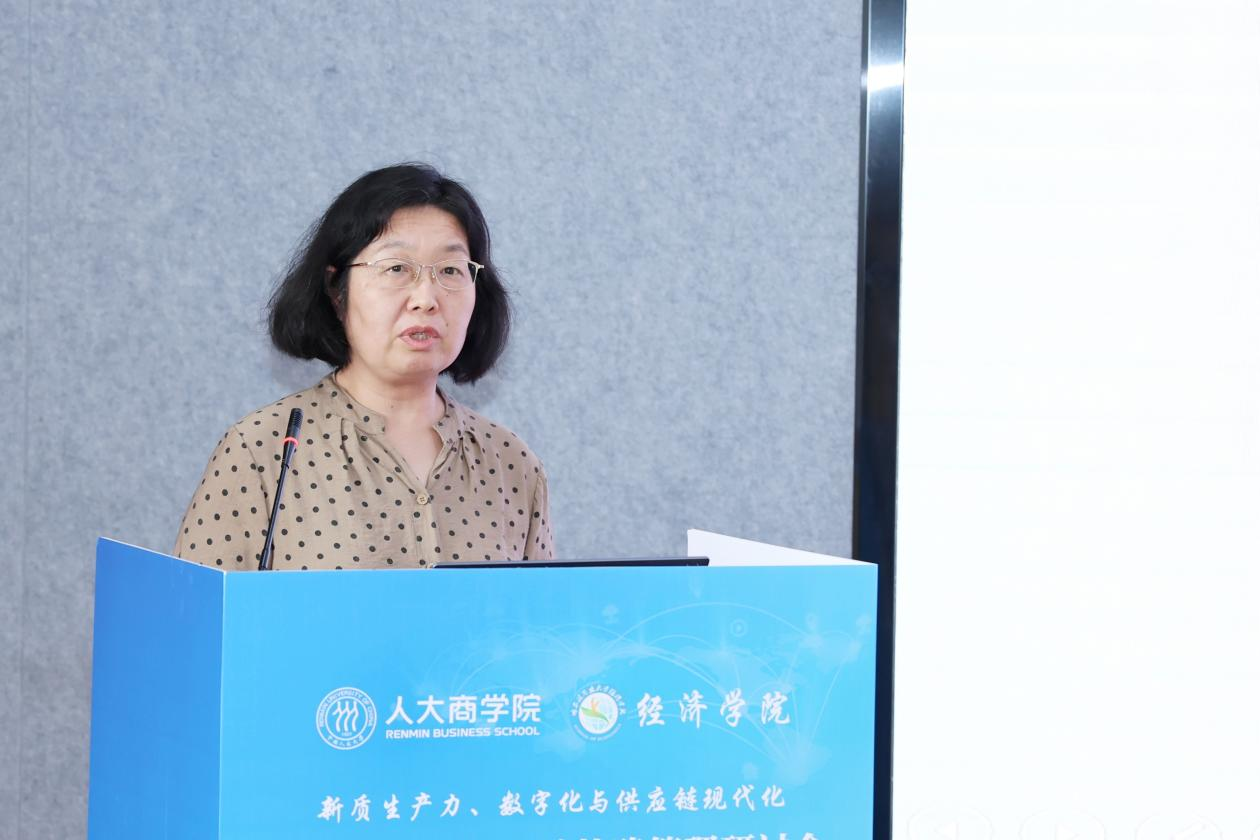
Professor Liu Xiaohong (CUFE Business School), member of the Teaching Guidance Committee for Logistics Management and Engineering Majors of Higher Education Institutions under the Ministry of Education, gave a keynote report titled Construction of Mid-Range Theories in Supply Chain Management Research.
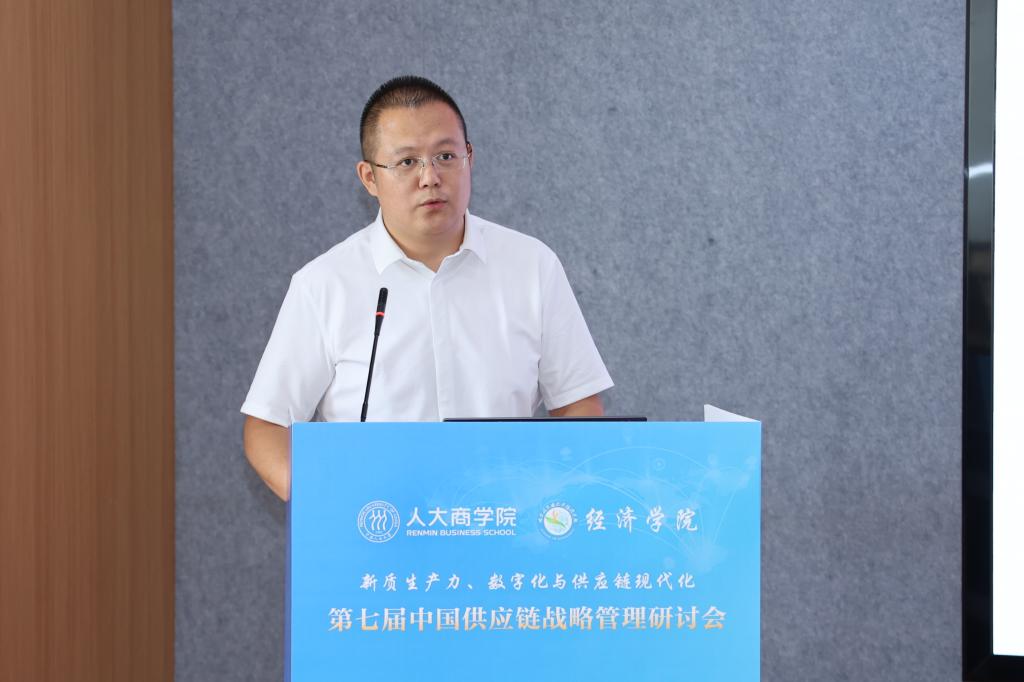
Professor Yang Shoude (Harbin University of Commerce) delivered a keynote report titled China’s Economic Structure Transformation and the Iteration of Policies for Expanding Demand and Promoting Consumption.
Session 3: Parallel Forums
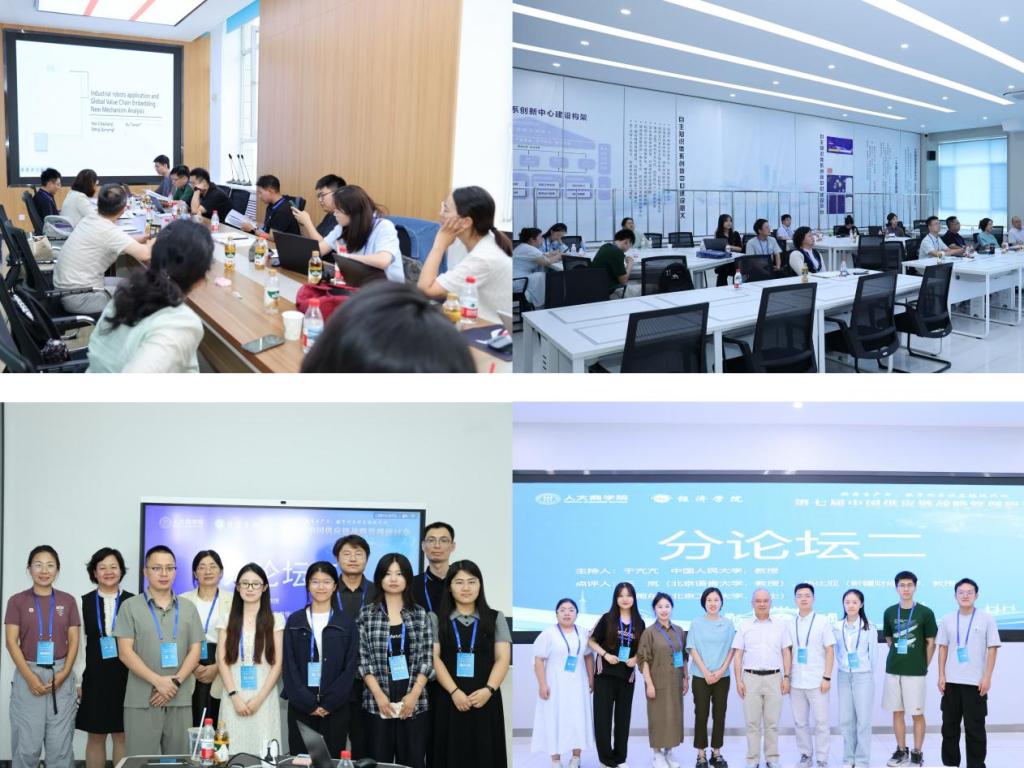
Experts and scholars focused on topics including the application of digital-intelligent technologies in agricultural product supply chains, supply chain resilience, supply chain risk management, and green innovation. In-depth exchanges were conducted in three parallel sub-forums, hosted respectively by Professor Lu Qiang (School of Business, Beijing Technology and Business University), Professor Yu Kangkang (School of Agricultural Economics and Rural Development, Renmin University of China), and Associate Professor Lu Jizhou (CUFE Business School).
Session 4: Excellent Paper Awards (Hosted by Professor Yu Kangkang, School of Agricultural Economics and Rural Development, Renmin University of China)
After evaluation by the Paper Review Panel of the 7th China Supply Chain Strategic Management Symposium, a total of 2 papers won the First Prize, 4 won the Second Prize, and 6 won the Third Prize for Excellent Papers.
Session 5: Experience Exchange on Teaching and Scientific Research for Young Teachers (Morning of August 10)
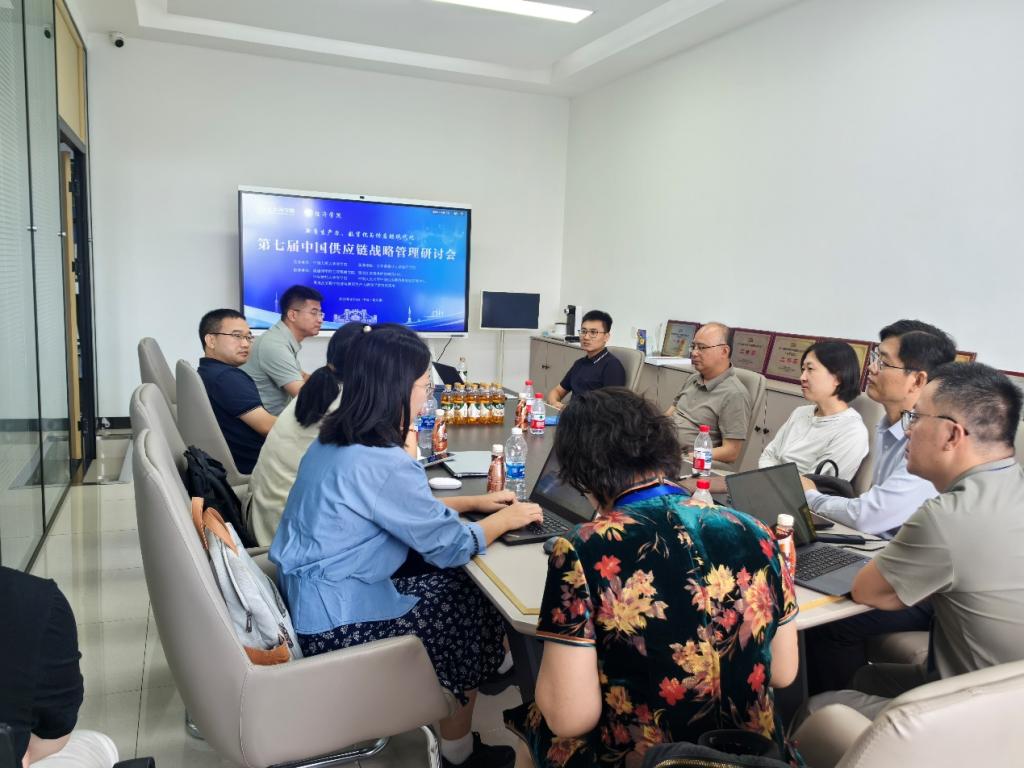
Professor Song Hua (School of Business, Renmin University of China), Professor Yu Kangkang (School of Agricultural Economics and Rural Development, Renmin University of China), and Professor Lu Qiang (Beijing Technology and Business University) delivered special sharing sessions respectively on topics including the digital-intelligent frontier of supply chain management, application for national-level projects and writing of high-level papers, and digital transformation of courses.
Session 6: Visit to the Digital Economy and Business Intelligence Laboratory (Afternoon of August 10)
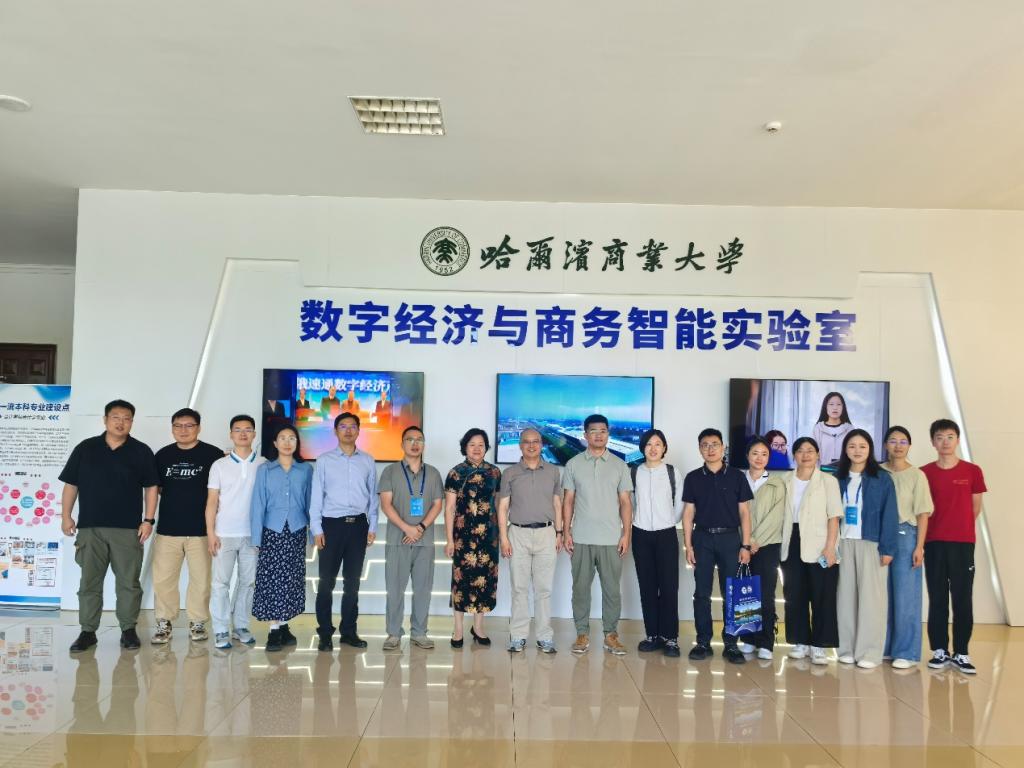
Professor Han Chaoliang, Vice Dean of the School of Economics of Harbin University of Commerce, focused on introducing to the participating experts and scholars the construction of the digital economy discipline at Harbin University of Commerce, the functions of the Digital Economy and Business Intelligence Laboratory, and the progress of scientific research in the field of digital economy.
With the theme of "New-Quality Productive Forces, Digitalization, and Supply Chain Modernization", this symposium was based in Heilongjiang and oriented to national major needs. It integrated theoretical innovation and industrial practice of supply chain management, explored feasible solutions for digital-intelligent supply chains to reduce costs, increase efficiency, and enhance resilience, and provided new theoretical plans and practical paradigms for supporting the comprehensive revitalization of Heilongjiang and the construction of Chinese-style modernization.